
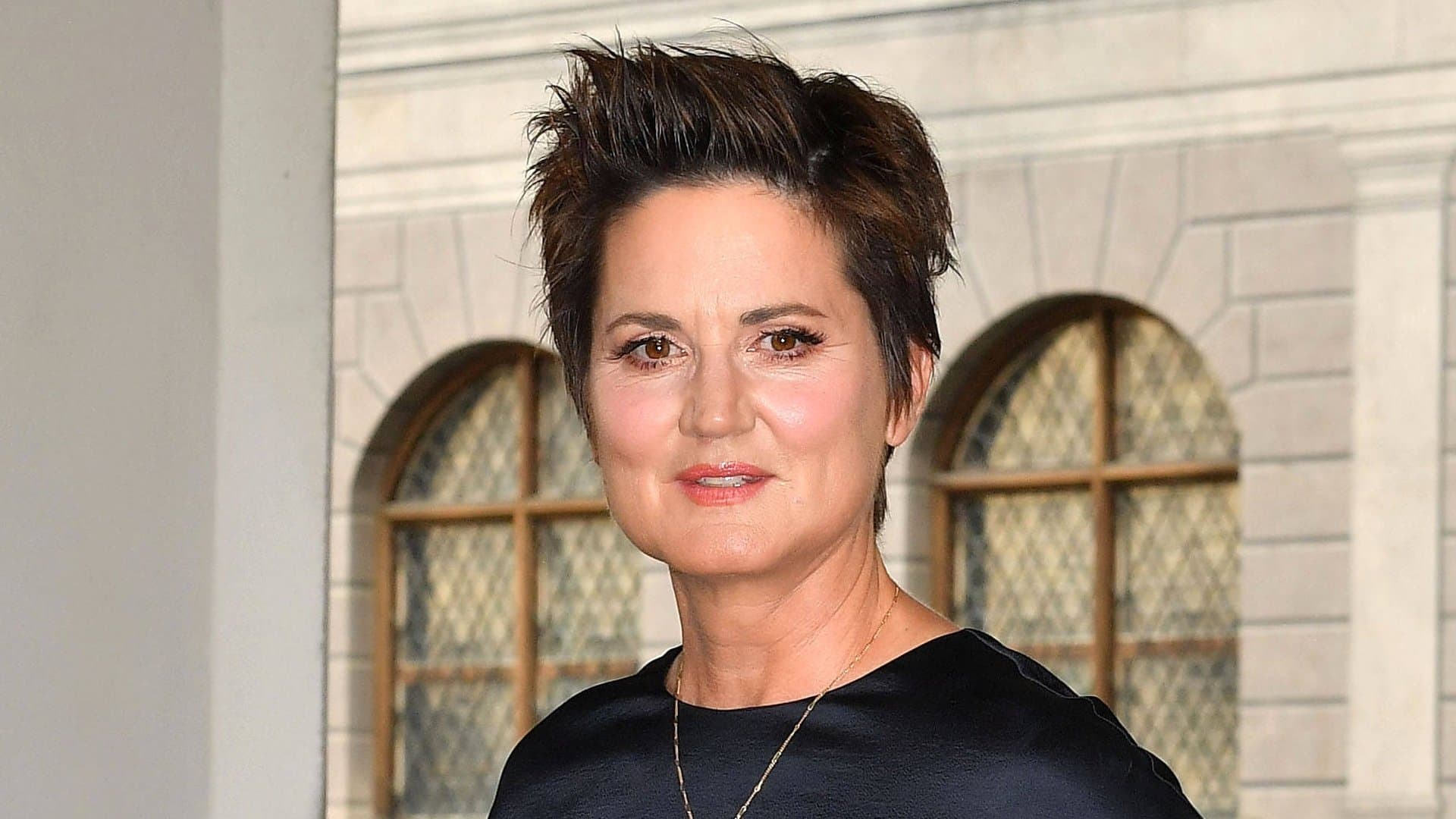
Time has passed quickly for the widow of legendary German actor Fritz Wepper (1941-2024) since his death. Susanne Kellermann (52) talks about her late husband in the latest issue of "Bunte" magazine.
A little over two years after Wepper's death, she can summarize: "The last two years have passed in a flash." "A large void naturally emerges" when a person dies who was previously seriously ill. She's not just talking about the human side, but also about the fact that a task disappears, "one that has determined your own life". She spends a lot of time at Lake Chiemsee with their daughter Filippa, who is now 14 years old. Kellermann has loved this place since her own childhood.
"Experiencing great love once more"
In March 2024, Kellermann confirmed to "Bild" newspaper that Wepper had "peacefully passed away". According to reports, he spent the last weeks before his death in a hospice in Upper Bavaria. Sometimes she has to think about her late husband out of nowhere, Kellermann now tells "Bunte". This affects her deeply: "Then it hits me really hard and I miss him terribly." At the same time, she hopes that she will be able to "experience great love once more" in her life.
Professional changes were also on the horizon. The director, camerawoman and producer was reportedly able to take on "an artistic-conceptual role for a famous family business" and devote herself to freelance film and photo projects. However, she realized that this work "didn't completely fulfill her". Instead, she wanted to do "something meaningful".
Among other things, Kellermann founded the Fritz Wepper Foundation, which is dedicated to sepsis prevention and education. Wepper had already struggled with sepsis, commonly referred to as blood poisoning, back in 2011. A few months before his death, he was reportedly also admitted to a clinic due to sepsis.
"Sepsis is a medical emergency. Every hour counts", states the foundation's website. "Yet it is often recognized too late. The foundation is therefore committed to understandable education, early detection, rapid treatment and the best possible aftercare."