
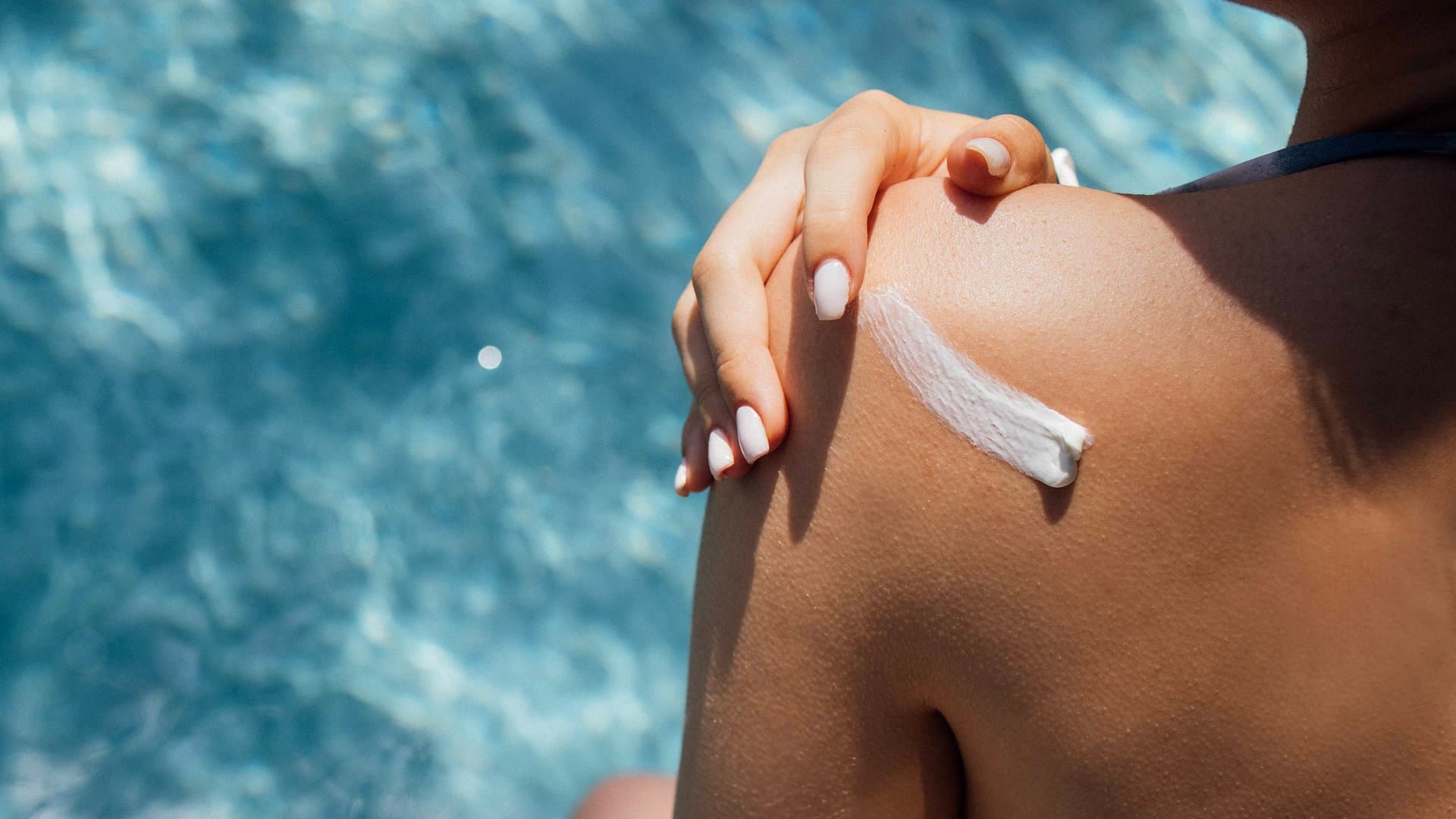
That UV rays damage the skin is no longer a secret - for many people, applying sunscreen daily has become standard practice in summer. But with record temperatures and increasing UV exposure, classic protection is no longer enough for many. The megatrend longevity is currently revolutionizing the beauty world and focusing on long-term cellular health. But how do you protect the skin barrier when the thermometer breaks the 86-degree mark and the heat accelerates skin aging? The new approach of Skin Longevity makes cells resilient from the inside out.
Why is heat dangerous for Skin Longevity?
Heat is underestimated by many when it comes to accelerating skin aging. It triggers so-called thermal stress: When skin temperature rises, enzymes (MMPs) are increasingly released that break down collagen and elastin in connective tissue. This process is called Thermal Aging. At the same time, a lot of moisture evaporates through the skin surface due to the heat. This weakens the skin barrier and fuels chronic micro-inflammation in the skin, which accelerates cellular aging.
What is the difference between classic sun protection and Longevity sun protection?
Classic sun protection primarily serves as a shield against UV-B and UV-A rays to prevent sunburn and acute damage. Longevity sun protection goes one step further into depth: It relies on an intelligent combination of UV filters and high-dose antioxidants that also cushion damage from infrared radiation and cellular stress. Applying SPF daily is the basic foundation of skin longevity, as it protects cellular DNA and prevents premature cell death.
How do you best care for skin at 86 degrees?
When temperatures are extremely high, the secret behind radiant skin is: maximum moisture with minimal texture. This way you avoid heat buildup on the skin or clogged pores. Heavy creams or rich oils should be replaced in summer with light, moisture-binding serums (for example with hyaluronic acid). During the day, skincare focus should be on protection from free radicals, in the evening on gentle, replenishing cleansing that removes sweat and sebum without attacking the skin's sensitive microbiome.
How do you recognize if the skin is stressed by the heat?
Stressed summer skin rarely shows itself only through dryness. It often becomes shiny more quickly because it tries to compensate for heat-induced moisture loss through overproduction of sebum. At the same time, however, it feels rough, tight, or dehydrated. In addition, it tends toward sudden, fine redness, itchy spots, or unexpected sensitivity to products that are normally well-tolerated. These are clear signs that the barrier function is disrupted.
Summer routine to keep skin cells young longer
For the morning routine, after gentle cleansing, apply a light vitamin C or niacinamide serum and seal with a light Longevity sunscreen (SPF 50). For the evening routine, cleanse the skin with a mild cleanser from the traces of the day (sweat, sebum, filters) and provide it with intensive moisture through a serum (for example through aloe vera or algae extracts). A light finishing care product with ceramides repairs the barrier during sleep while the cells regenerate - all without burdening the pores during nighttime heat.