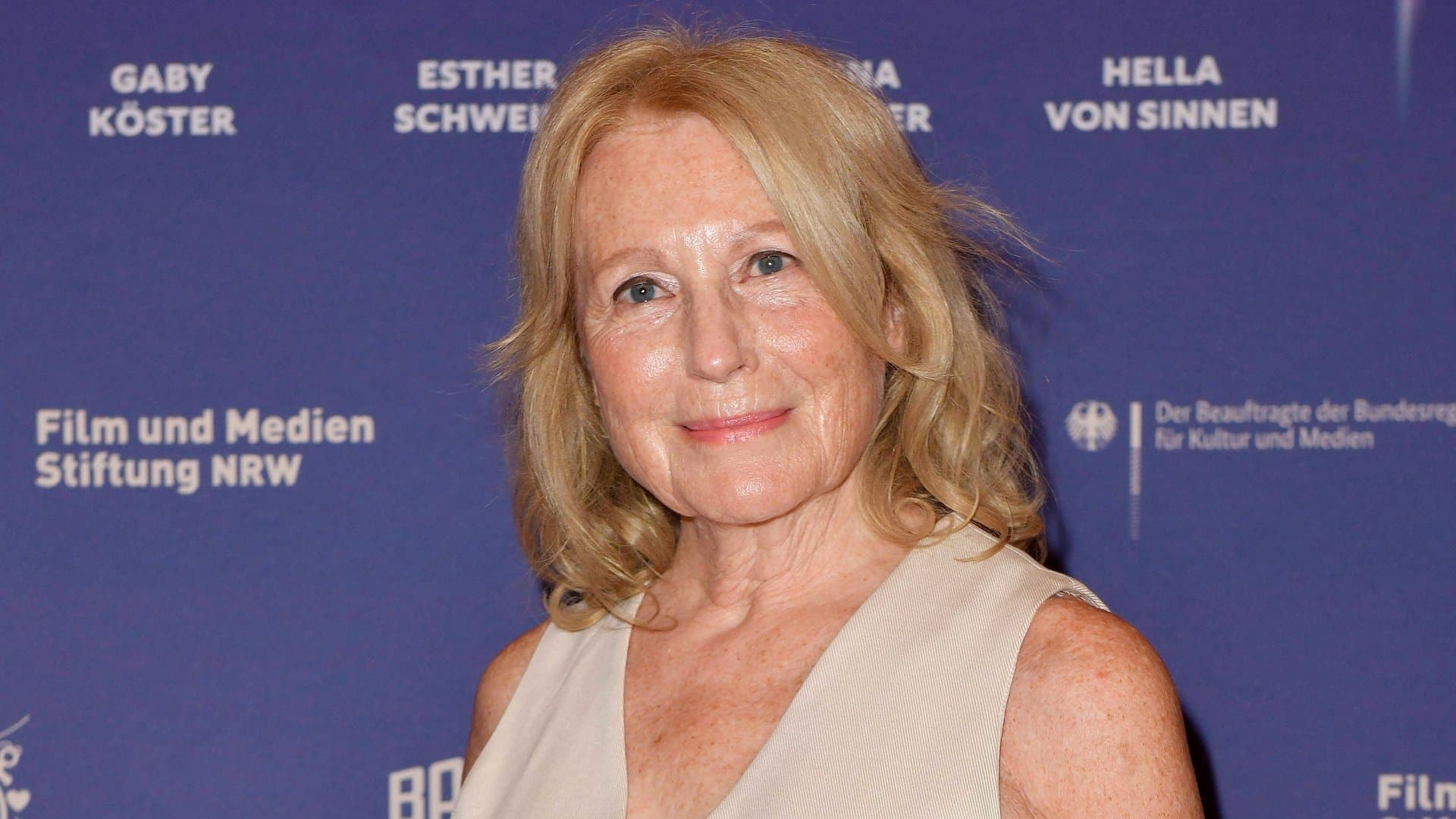
German television in the 1990s was a different world - perhaps better in some respects, but not in many others. Particularly when it comes to the image of women, equality, and respect, clips from back then seem like a glimpse into a dark Stone Age. Just how bad it was for women on TV back then is revealed by actress and satirist Maren Kroymann (76) in conversation with "Spiegel".
"Misogyny was everyday life", Kroymann reports. "Women on television had to look pretty and smile. They had to let themselves be groped and reduced to their appearance, no matter how uncomfortable they felt. That was the price for getting on television." One only has to think about how female guests of Thomas Gottschalk (76), one of the biggest faces of German TV entertainment in recent decades, were treated back then.
An entire industry following the Gottschalk pattern
But it wasn't just Gottschalk, who caused quite a stir not quite two years ago in conversation with the magazine when he claimed to have "touched women on TV purely in a professional capacity", who was the problem in her view. The entire industry was structured that way; and viewers were also accustomed to "women being degraded and humiliated". A reduction to physical aspects had been "the socially accepted and desired form of light entertainment for decades".
When asked whether the role model function of television is being overestimated, Kroymann answers clearly: "You can't overestimate that at all. The influence was immense well into the 2000s." The objectification of women was supposed to generate good ratings.
Coming out led to career slump
As early as 1993, Kroymann came out as a lesbian woman - a step she took consciously, but which temporarily damaged her career. "For a year, no more offers for roles came in", she recalls. After coming out, she was no longer considered for what is called a "love interest" on public broadcasting formats - that is, as an object of desire for male film or series characters in this case. "That says a lot about discrimination against homosexuals at public broadcasters in the nineties", she explains.
RTL didn't mind this as much. With one exception, however, it "took 20 years until I played a heterosexual 'love interest' role for public broadcasters again". The coming out was nevertheless "the right step at the right time". Thanks to her previous success with "Oh Gott, Herr Pfarrer" and "Vera Wesskamp", she had "a certain level of fame" at that time and wanted to use it to "bring about possible change in society". She considered more visibility for lesbian women to be "a more important goal than playing three moderately funny lead roles in series again".
The interview was conducted to coincide with the release of "Was haben wir gelacht". The documentary tells the story of the media industry of the 90s from a female perspective in cinemas and features Kroymann as well as her colleagues Hella von Sinnen (67), Bettina Böttinger (70), Gaby Köster (64), and Esther Schweins (56). "Was haben wir gelacht" opens today, July 16.