
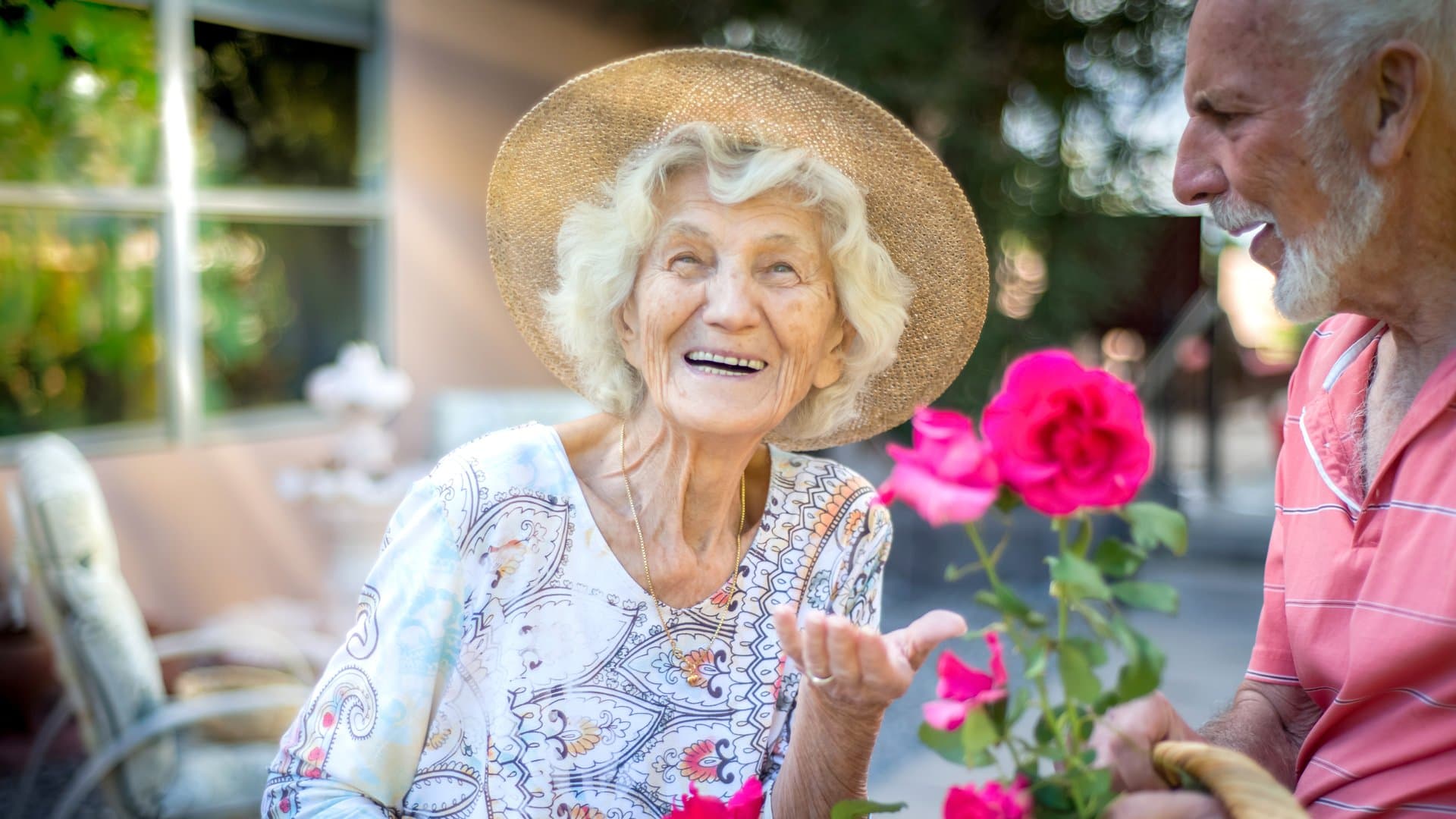
Staying healthy and fit for as long as possible - that's what the trending topic of longevity is all about. Instead of focusing solely on reaching an old age, the emphasis is mainly on the so-called health span, meaning the years that people spend as healthy and independent as possible. While numerous supplements, creams, and high-tech treatments promise a longer life, experts largely agree: what matters most are everyday habits.
Do strength training regularly
When people think of healthy aging, they often picture endurance training. However, strength training also plays an important role. As we age, muscle mass naturally decreases. This can impair strength, balance, and mobility.
Just two to three strength training sessions per week can help maintain muscle mass and bone health. A gym membership isn't necessary - exercises using your own body weight can be effective too.
Eat enough protein and fiber
A balanced diet is one of the most important building blocks for healthy aging. Protein supports the maintenance of muscle mass and is important for numerous bodily functions. Especially as we age, many people find it difficult to consume enough protein.
Fiber is equally important. It promotes healthy digestion, provides longer-lasting satiety, and supports a diverse gut microbiome, which is linked to various aspects of health.
Good protein sources include legumes, tofu, skyr, yogurt, quark, and nuts. At the same time, whole grain products, vegetables, fruit, legumes, as well as nuts and seeds provide plenty of fiber. Those who regularly incorporate both nutrients into their meal plan create a solid foundation for healthy aging.
Take sleep seriously
Sleep is far more than just rest. During the night, numerous repair and regeneration processes take place in the body. Chronic sleep deprivation is associated with a higher risk of cardiovascular disease, type 2 diabetes, and other health problems.
For adults, seven to nine hours of sleep per night is considered a good guideline. Fixed bedtimes, minimal screen light in the evening, and a cool, quiet bedroom are helpful.
Maintain social connections
Longevity isn't just about physical health. Social relationships also play an important role. Studies show that loneliness can be detrimental to health in the long term, while close social connections are associated with better quality of life and a lower risk of various diseases.
Regular meetings with friends or family, shared hobbies, or volunteer work can therefore contribute to health just as much as exercise or a balanced diet.
Regular movement - not just during exercise
An hour of training in the evening doesn't fully compensate for prolonged sitting. That's why every form of movement in daily life counts for longevity.
Those who take the stairs more often, walk or bike short distances, or regularly stand up and move around are also doing their body good. Even small changes can have a positive long-term impact on the heart, metabolism, and muscles.