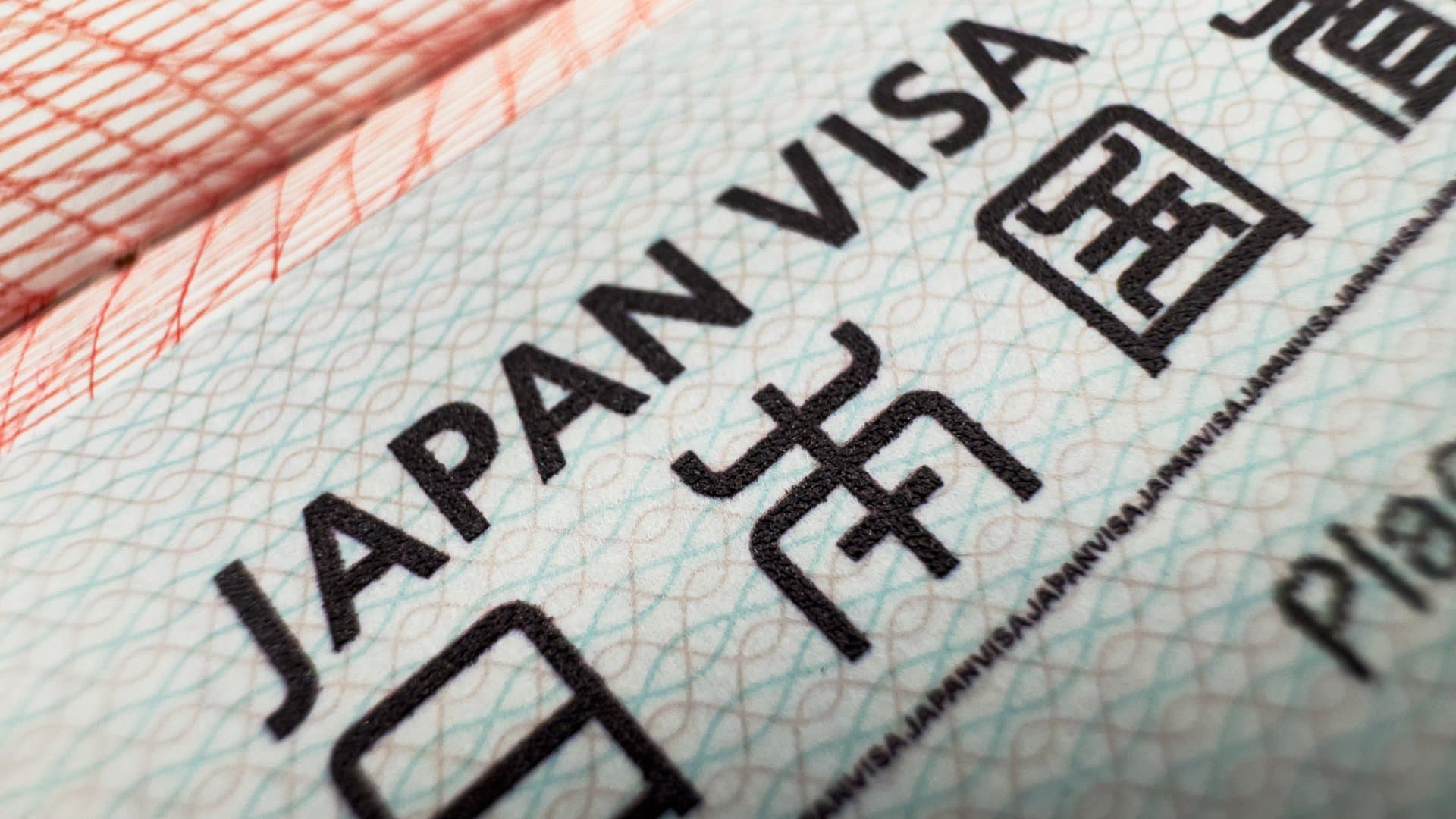
Japan is significantly raising prices for entry visas: Starting July 1, 2026, fees for most travelers requiring a visa will increase fivefold. The Japanese cabinet approved the increase on June 19. This is the first adjustment to visa fees since 1978.
Specifically, the fee for a single-entry visa will climb from 3,000 to 15,000 yen, meaning from approximately 16 to approximately 82 euros. A multiple-entry visa, which allows repeated visits within a certain period, will increase from 6,000 to 30,000 yen, from 32 to a substantial 164 euros. Important for planning: The new rates apply to all applications submitted from July 1 onward. Those who submit earlier will still secure the old price.
Foreign Minister Toshimitsu Motegi justified the move at a press conference by citing decades of accumulated inflation and changed exchange rates. The previous system no longer reflects the actual administrative costs of issuing visas and managing immigration. Even after the increase, the government stated, Japan's fees remain moderate compared to countries like the USA or Germany.
Partially Good News for Vacationers from Germany
For travelers from most Western countries, however, virtually nothing changes despite the increased visa fees. Germany is among the 74 countries and territories whose citizens do not require a visa at all for tourist stays of up to 90 days. So anyone planning a city trip to Tokyo, Kyoto, or Osaka or a beach vacation in Okinawa will not pay the increased visa fee. It primarily affects tourists and business travelers from visa-required countries.
However, German travelers won't escape entirely without new costs: On the same July 1, Japan is tripling the international tourism or departure tax from 1,000 to 3,000 yen (from over 5 to approximately 16 euros) per person. It is automatically collected through flight or ferry tickets and applies to all departing persons, regardless of nationality, including visa-exempt Germans.
Part of a Larger Immigration Reform
The visa increase is just one component of a more comprehensive package. At the end of May, the Japanese upper house approved a reform of the Immigration and Refugee Recognition Act. It significantly raises the statutory maximum limits for fees. For example, for status changes and extensions from 10,000 to up to 100,000 yen (54 to approximately 540 euros) and for applications for permanent residence permits from 10,000 to up to 300,000 yen (approximately 1,630 euros). The exact amounts will be determined later by cabinet ordinance; for permanent residence permits, a value of around 200,000 yen (approximately 1,090 euros) emerged during parliamentary deliberations. The new amounts are to take effect by March 31, 2027.
The background is the growing foreign population, which reached a new record of 4.13 million people at the end of 2025. The additional revenue is to be invested in more personnel, technology, language courses for immigrants, and stricter measures against illegal stays, among other things.
New Online System from 2028
With the reform, Japan is also creating the foundation for an electronic entry system called JESTA. Similar to the U.S. ESTA, visa-exempt travelers will then have to submit data on identity and purpose of travel before departure, which will be cross-checked with databases. The launch is planned for 2028.
Tokyo does not expect a collapse in tourism. In 2025, approximately 42.7 million guests came, more than ever before - an increase of over 15 percent, fueled by the weak yen. The government is even targeting 60 million visitors per year by 2030.