Thermal spas have long been considered a classic travel destination for older spa guests. More and more young people are now discovering vacations in warm water for themselves - not just for treatment, but as a conscious preventive measure and proactive self-care routine. Bad Füssing in the Lower Bavarian district of Passau, traditionally known as a spa resort, exemplifies this transformation.
Prevention instead of treatment
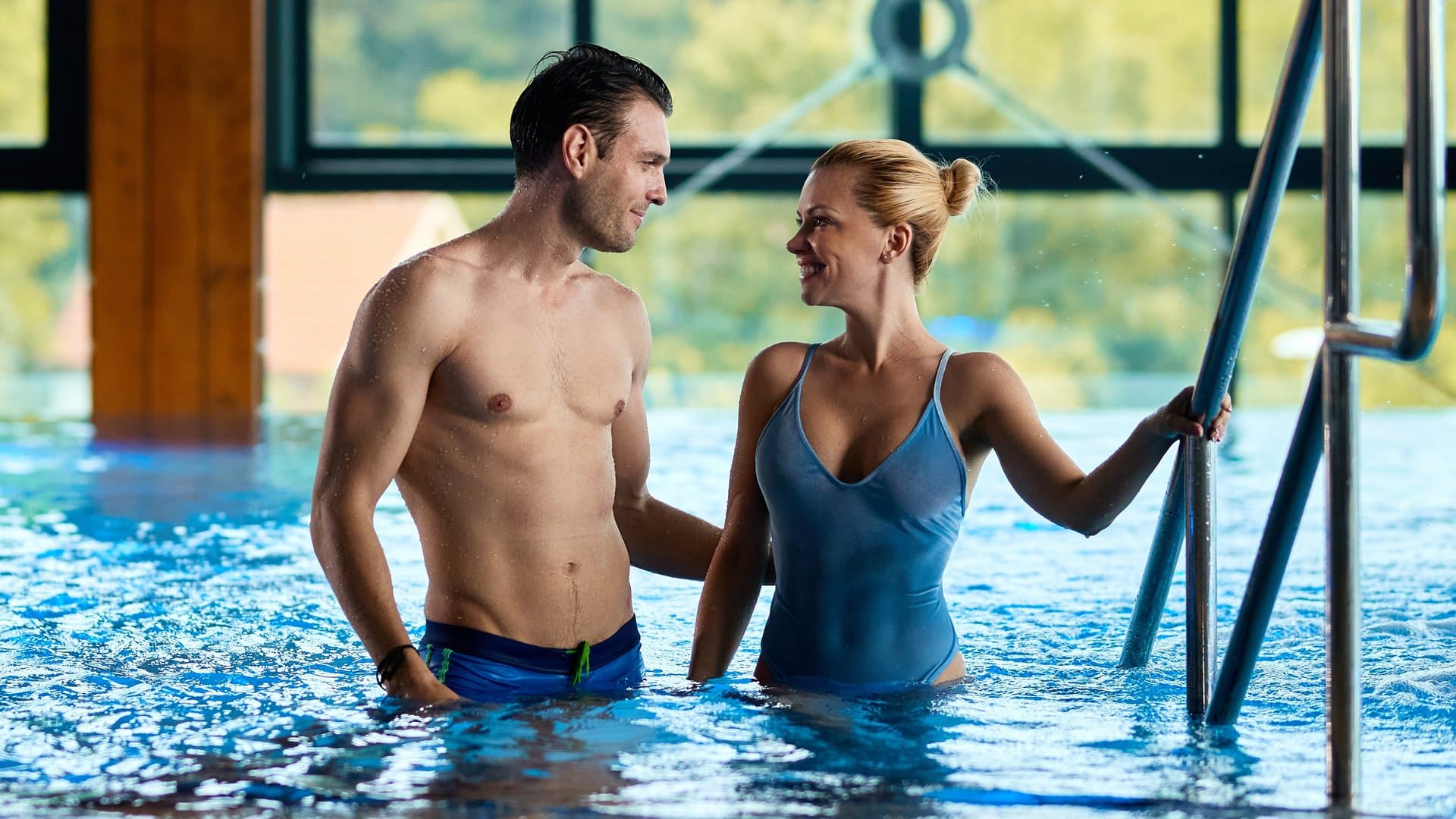
In the past, spa treatments were prescribed by doctors; today, many younger guests book their spa weekends themselves. What has changed above all is the motivation: those who bathe in a thermal spa increasingly do so not because of a specific diagnosis, but as a conscious counterbalance to office chairs, screens and constant stress. Prevention instead of treatment - this approach fits a generation that has long understood exercise, nutrition, sleep and longevity as part of their lifestyle.
A survey by consulting firm McKinsey & Company from June 2025 also shows that wellness is gaining importance for many people. According to the survey, 20 percent of Germans want to spend more money on wellness in the future. Millennials and Gen Z in particular are open to retreats, healthy nutrition and offerings that fit an active lifestyle.
Another reason is the search for breaks from smartphones. In the thermal spa, the device usually stays in the locker. What is marketed elsewhere as "digital detox" often occurs there more incidentally: through quiet areas, water, warmth and an environment designed for relaxation.
Bad Füssing: a spa resort with two target groups
Bad Füssing in Lower Bavaria has been known primarily for its older regular guests for decades. One of the central attractions is the Johannesbad Therme, which attracts visitors with its own spring as well as indoor and outdoor pools. Wellness, therapy offerings, bathing treatments and seasonal events characterize the spa resort's offerings.
Alongside this, a second target group is growing: couples, groups of friends, working professionals and sports groups who want to use an extended weekend for relaxation. Bad Füssing belongs to the Rottal Spa Triangle and records around two million tourist overnight stays annually, according to the spa and visitor service.
The thermal water emerges from a depth of around 1,000 meters at approximately 56 degrees Celsius and contains sulfur as well as other minerals. It is traditionally used in the spa and therapy sector for rheumatic complaints, arthritis and skin conditions, among other things. For shorter wellness stays, on the other hand, the focus is less on treating specific illnesses and more on relaxation, warmth, movement in water and accompanying treatments such as massages.
The offerings of many establishments also reflect this broader appeal. In addition to medical treatments, sauna landscapes, infusions, relaxation zones, fitness and exercise programs as well as dining play a larger role. This positions Bad Füssing not only as a place for multi-week spa treatments, but also as a destination for shorter stays.
Short wellness breaks at the day spa
In addition to the large thermal spas, there are also smaller spa offerings in Bad Füssing that are more geared toward day visitors. One example is Das Mühlbach Thermal Retreat & Wellness Resort, which offers day spa packages for external guests. According to the establishment, these include thermal pools, saunas, steam baths, relaxation areas and a fitness area. Use requires reservation; treatments and dining offerings, including the in-house sushi club, may be included depending on the package.
The distance from Munich to Bad Füssing is around 150 kilometers, with a driving time of just under two hours by car. This makes the spa resort accessible for day trips or short weekends from parts of southern Germany. Its profile remains divided: Bad Füssing continues to be a classic health and spa location, but is simultaneously opening up more to guests seeking relaxation in a more accessible and time-limited way.