
Protein is the nutrient of the moment. Whether high-protein pudding, protein bread, or protein shakes - hardly a supermarket shelf exists without corresponding products. In the process, another important nutrient often falls into the background: fiber.
But the combination of protein and fiber is particularly valuable. It provides long-lasting satiety, supports gut health, and can help keep blood sugar levels stable. The good news: many natural foods deliver both nutrients simultaneously - and that without any marketing promises on the packaging.
Why Protein and Fiber Are a Real Dream Team
Protein contributes to the maintenance and building of muscle mass and ensures that we feel fuller longer after eating. Fiber, in turn, promotes healthy digestion, nourishes the gut microbiome, and can reduce the risk of cardiovascular diseases as well as other chronic illnesses. The German Nutrition Society (DGE) recommends 0.8 grams of protein per kilogram of body weight per day for healthy adults.
While many people already easily meet their protein needs, most consume significantly less fiber than recommended. The DGE recommends at least 30 grams per day. Those who choose foods containing both nutrients therefore kill two birds with one stone.
Legumes
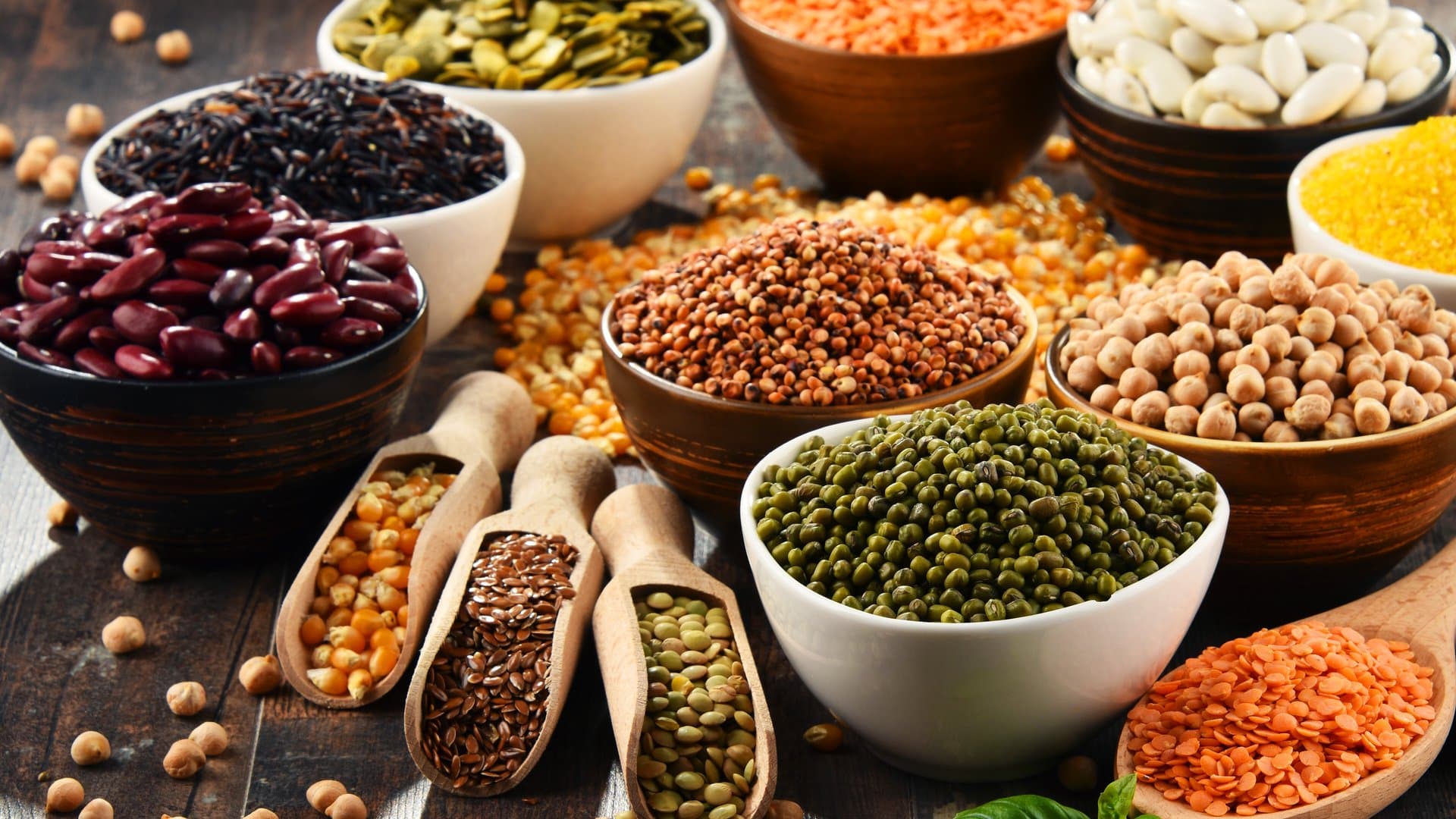
When it comes to the combination of protein and fiber, legumes are at the top of the list. Lentils, black beans, kidney beans, or chickpeas provide abundant plant-based protein and simultaneously large amounts of fiber. Just half a cup of cooked lentils contains about nine grams of protein and eight grams of fiber. Black beans offer similar values.
Furthermore, legumes are affordable, versatile, and can easily be integrated into salads, curries, soups, or pasta dishes.
Soy Products
Soybeans and products made from them such as tofu, tempeh, or edamame are among the most nutrient-rich plant-based foods of all. Experts at Harvard University even describe soy products as a kind of "sweet spot" because they deliver high-quality protein as well as fiber and healthy fats.
Tempeh particularly stands out: through its production from whole soybeans, it contains significantly more fiber than many other soy products. At the same time, it delivers a considerable amount of protein.
Nuts and Seeds
Almonds, peanuts, pistachios, or walnuts contain not only protein but also fiber and healthy unsaturated fatty acids. Even more impressive are seeds like chia or flaxseeds. Even small amounts significantly increase the fiber content of a meal and additionally provide plant-based protein.
A spoonful of chia seeds in porridge, yogurt, or smoothies can therefore make a surprisingly big difference.
Whole Grain Instead of White Flour
Those who want to consume more fiber should opt for the whole grain version when it comes to bread, pasta, and rice whenever possible. Whole grain products deliver not only complex carbohydrates but also more protein and significantly more fiber than their highly processed counterparts. Particularly quinoa and other whole grains offer a favorable combination of both nutrients.
The Best Combinations for Everyday Life
Those who want to improve their diet without complications don't need to plan every meal in a complicated way. Often simple combinations are sufficient, such as lentil salad with vegetables, whole grain bread with hummus, tofu-vegetable stir-fry with brown rice, oatmeal with nuts and chia seeds, or chickpea curry with brown rice.
This way, protein and fiber intake can be increased simultaneously - and that with completely normal foods instead of expensive specialty products.