
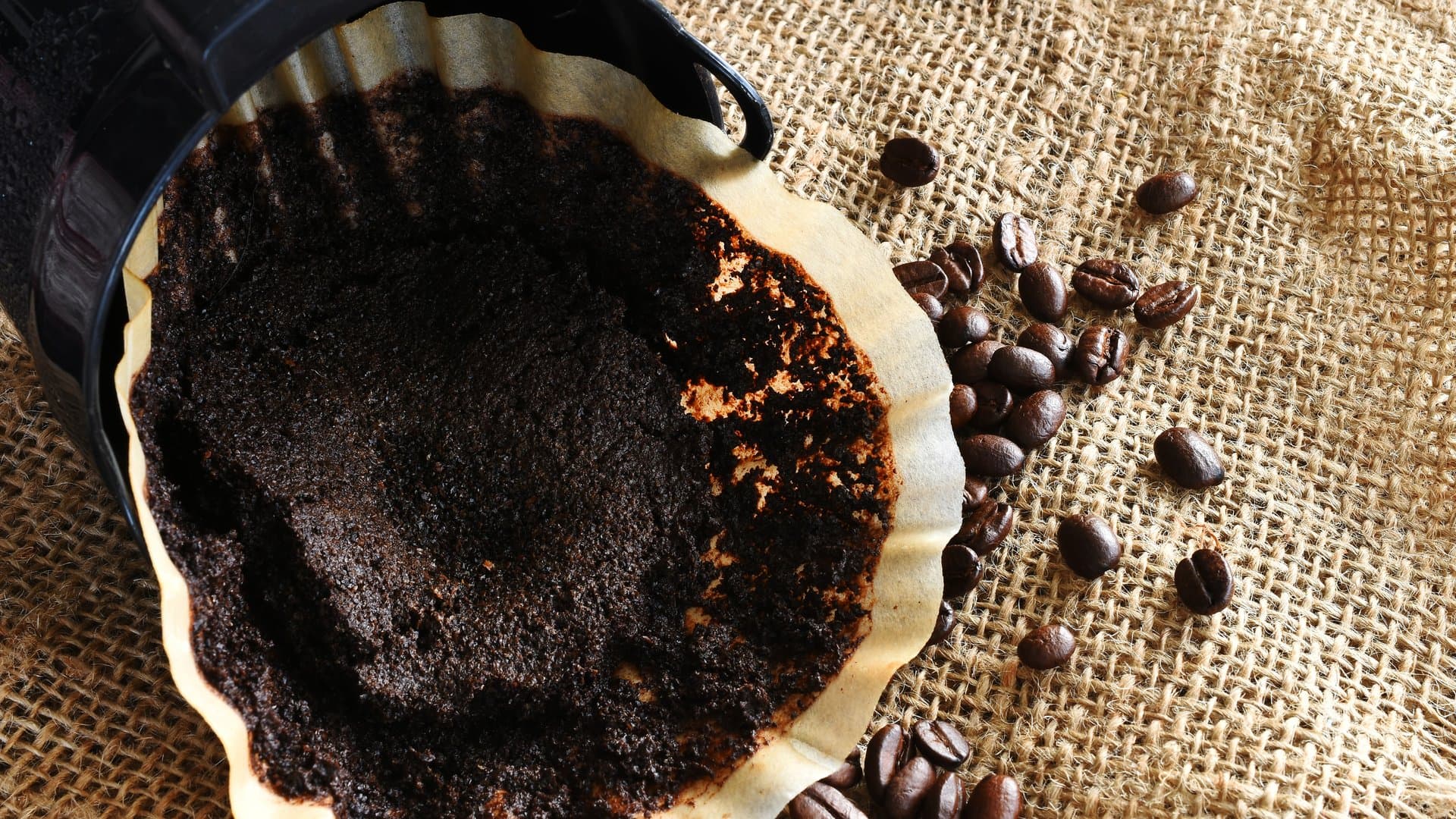
After enjoying coffee, a moist, dark residue remains in the filter. Most people throw coffee grounds straight in the trash. Yet these dark remains contain surprisingly great potential. Whether in the kitchen or garden: Here's how to reuse coffee grounds as a versatile zero-waste resource.
In the Kitchen
Coffee grounds can - when properly dosed - do more than just smell good. Thanks to their bitter compounds and roasted aromas, they are particularly suitable for savory or intensely flavored dishes. Coffee grounds can give dishes a deep, slightly smoky note and are therefore increasingly used in creative cuisine. They work particularly well in small amounts, for example in BBQ sauces, where they provide more umami and roasted aromas, or in dry rubs for vegetables, tofu, or grilled dishes. Even in sweet foods like brownies or chocolate cake, they can intensify the flavor and provide a special bitter note.
Restraint is important here: Coffee grounds are not a main ingredient, but rather an aromatic spice. They should also be thoroughly dried beforehand to prevent mold formation.
Recipe for BBQ Sauce with Coffee Grounds
Ingredients: 2 tbsp dried coffee grounds, 1 tbsp olive oil, 1 small onion (finely diced), 2 garlic cloves (finely chopped), 400 g canned diced tomatoes, 2 tbsp apple cider vinegar, 2 tbsp maple syrup or brown sugar, 1 tbsp soy sauce, 1 tsp smoked paprika powder, salt and pepper
Preparation: Let the coffee grounds dry completely after brewing coffee.
Heat oil in a pot and sauté the onion until translucent. Add garlic and briefly sauté. Stir in coffee grounds and roast for about one minute to release the flavors. Add tomatoes, vinegar, maple syrup, soy sauce, and paprika powder. Let the sauce simmer over low heat for about 20 to 30 minutes until it thickens. Season with salt and pepper and puree if desired.
In the Garden
In the garden, coffee grounds demonstrate their strength primarily as a natural nutrient supplier. They contain nitrogen, potassium, and phosphorus, among other nutrients, and can thus support plant growth. They are particularly valuable in compost, as they promote the decomposition of organic materials and activate soil life.
Coffee grounds can also be used directly in garden beds - however, only sparingly and well mixed with soil, as they can otherwise compact the soil structure. Many gardeners also use them for plants like blueberries, hydrangeas, or rhododendrons that prefer slightly acidic soils. Additionally, they are occasionally used as a natural barrier against snails, although the effectiveness is not clearly proven.
Coffee grounds can also be used in pots and balcony planters - but particularly carefully. A small amount can be mixed in during repotting or serve as a component of homemade plant fertilizer. As a thin layer on the soil, it also helps retain moisture. However, it's important not to apply thick layers, as these can hinder air circulation in the soil.
In the Household
Coffee grounds can also be used in many ways around the household. Thanks to their slightly grainy texture, they work as a gentle scouring agent for dirty pots or pans. At the same time, they can absorb and neutralize unpleasant odors.
A small bowl of dried coffee grounds in the refrigerator can, for example, help bind food odors. They are also frequently used as a natural odor eliminator in shoes or at the bottom of trash cans. After cutting onions or garlic, rubbing your hands with some coffee grounds can also help remove stubborn odors.
Scrub from the Coffee Kitchen
Coffee grounds also appear in numerous DIY cosmetic recipes. They are particularly popular as a body scrub. Mixed with some olive, almond, or coconut oil, they create a simple scrub that can remove dead skin cells and make skin appear smoother.