
When it gets hot, appetite often changes. Many people notice in summer: They eat less, reach for light snacks more frequently and skip 'proper' meals. Sounds logical at first - after all, you don't want to eat a heavy pasta bomb at 86 degrees Fahrenheit. But this is precisely why protein intake often drops unnoticed. And this has noticeable consequences - especially for people who do a lot of sports.
Why We Often Eat Less Protein in Summer
High temperatures dampen hunger. The body tries to do less 'digestive work' and signals: please light, please cool, please quick. Protein-rich foods like legumes, tofu, eggs or meat often seem 'heavier' compared to fruit or bread.
In winter it's easy: stew, oven dishes, warm bowls. In summer, this loses its appeal. At the same time, many people lack quick alternatives that are light and high in protein. Result: Meals are replaced with ice cream, salad or snacks - often without an adequate protein base.
Especially in summer, many people move more (walks, travel, outdoor sports), but think less structurally about nutrition. In addition, we often eat out in summer, have picnics or consume other spontaneous snacks. This quickly creates a small but constant deficit.
How to Tell When Protein Is Missing
A slight protein deficiency is not immediately obvious, but typical signs are less feeling of satiety and getting hungry again more quickly after eating. Other body signals: fatigue despite sufficient sleep, muscles feeling 'softer' and poor recovery after sports.
How Much Protein Do Adults Need?
The German Nutrition Society (DGE) recommends that adults between 19 and 65 years consume approximately 0.8 grams of protein per kilogram of body weight daily. Active people should increase this requirement to about 1.2 to 1.6 grams per kilo. For a body weight of 67 kilograms, this would be a basic requirement of about 55 grams or 80 to 100 grams with regular training.
How to Get Enough Protein in Summer?
Those who have less appetite at high temperatures don't necessarily have to eat more, but can specifically make their existing meals richer in protein. Light foods that are also easily digestible on warm days are particularly helpful.
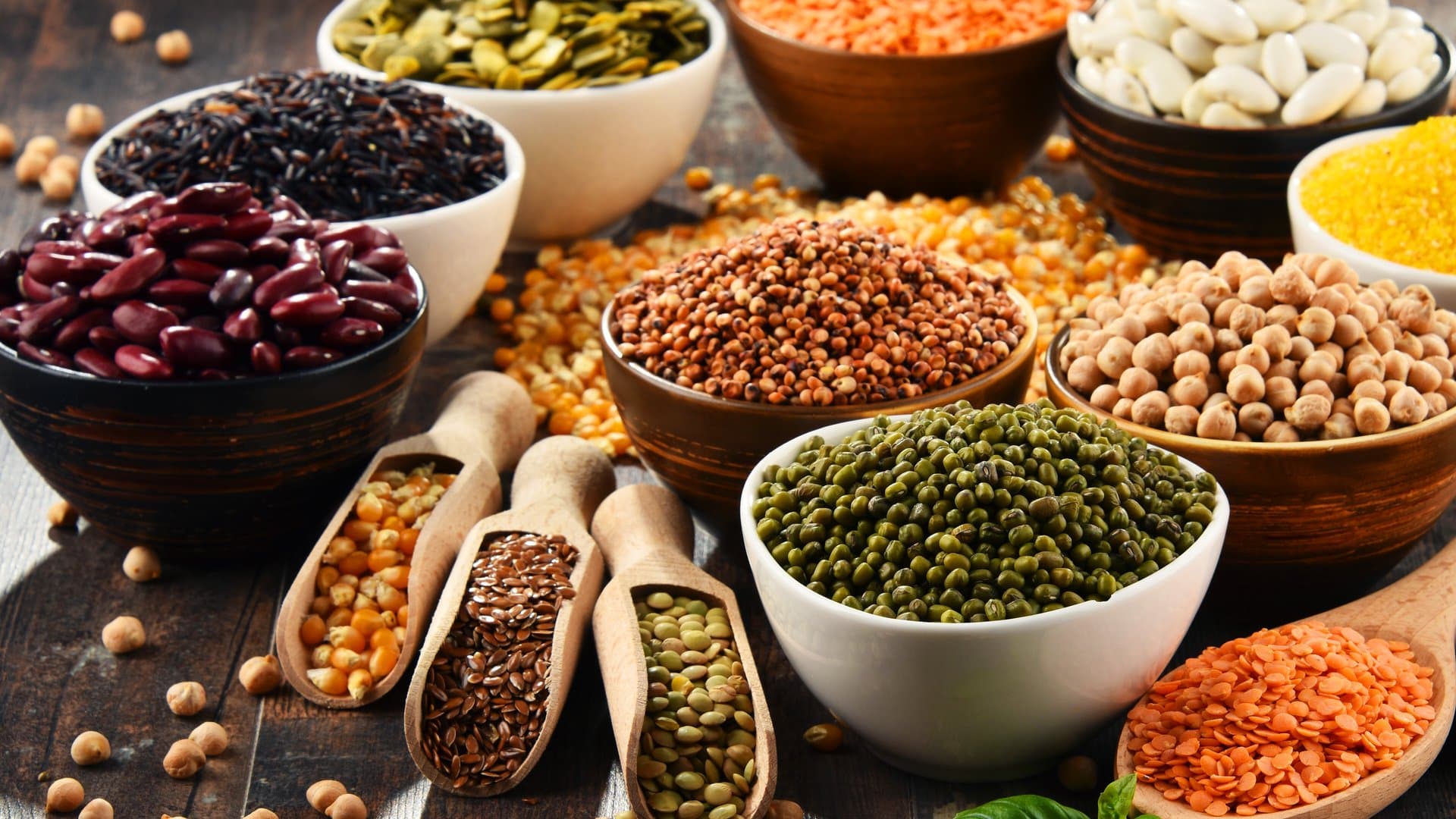
Particularly suitable are, for example, skyr, Greek yogurt, quark, tofu, eggs, edamame and legumes such as chickpeas or lentils. They can be easily integrated into salads, bowls or cold dishes while providing valuable protein. Whole grain products or protein-rich pasta can also help increase daily protein intake.
It is also helpful to distribute protein as evenly as possible throughout the day. Instead of consuming large amounts at once, it can make sense to supplement each meal with a protein-rich component. For example, a breakfast of yogurt, fruit and nuts, a salad with chickpeas or tofu for lunch, or a light bowl in the evening can easily be made richer in protein.
On particularly hot days, so-called 'no-cook' dishes are also popular. These include skyr with berries and nut butter, wraps with hummus and tofu, or overnight oats with protein-rich yogurt. They don't require elaborate cooking and are therefore particularly well-suited for summer.
Liquid protein sources can also be a practical supplement. Smoothies with yogurt or skyr, kefir drinks or protein shakes after training offer an easy way to meet protein needs when appetite for larger meals is lacking.