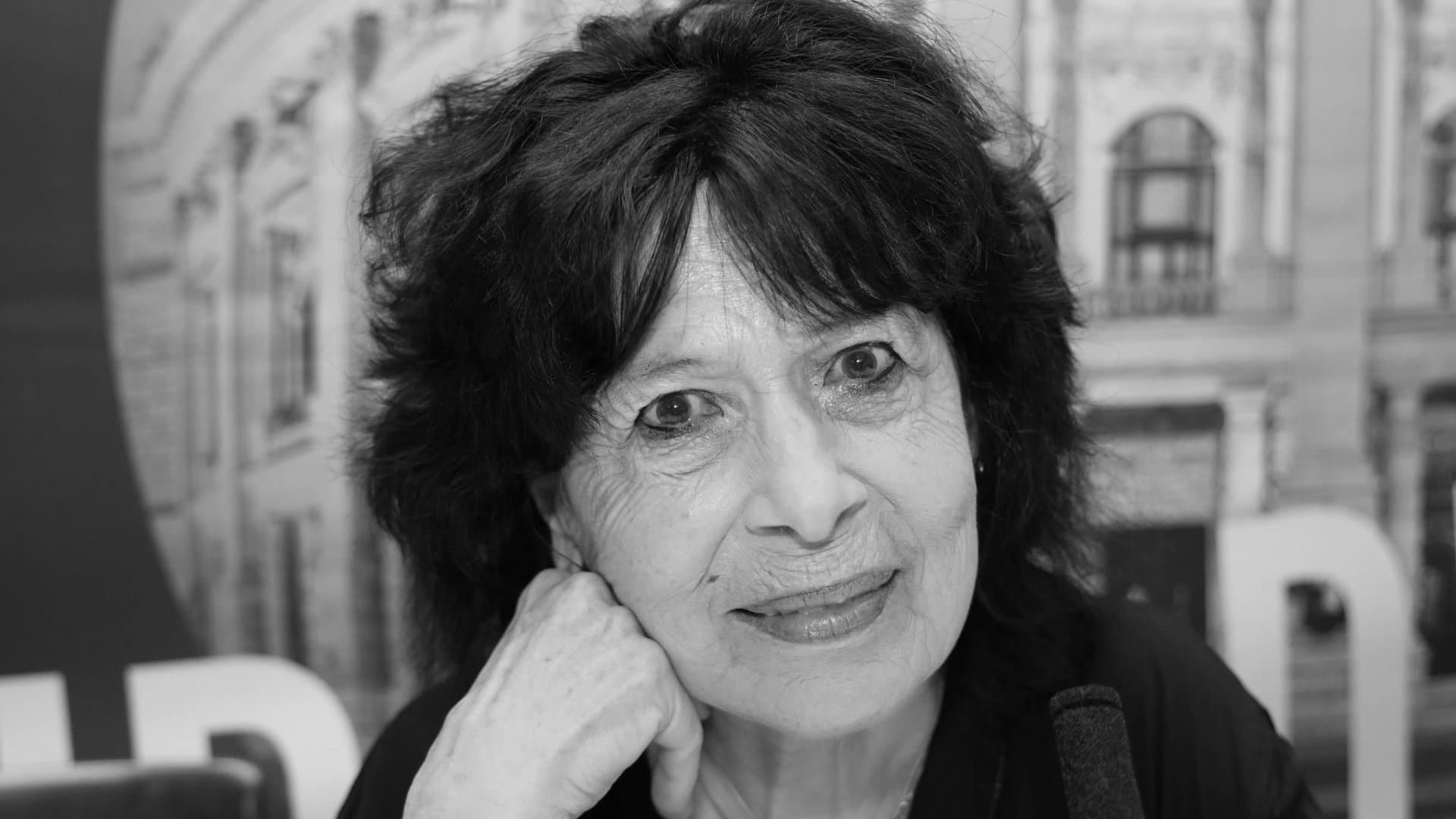
High-ranking figures in Austrian politics are bidding farewell to Monika Helfer. The Vorarlberg author passed away on Sunday at the age of 78 from injuries sustained in a fall. "Few could portray simple life with such elegance and dignity as Monika Helfer," wrote Federal President Alexander Van der Bellen (82) on social media. "Her empathetic voice enriched Austrian literature with every book. My thoughts are with Michael Köhlmeier and her loved ones."
Vice Chancellor Andreas Babler (53), responsible for cultural affairs in the government, also spoke out. "I am deeply shocked by Monika Helfer's death. Just recently we were together at the Bregenz Festival and I had the privilege of getting to know her as an extraordinary person," the ORF quotes him. Her books moved many people, her work will be remembered for its "linguistic power and humanity."
Condolences from Vienna
Condolences came from Vienna from Cultural City Councilor Veronica Kaup-Hasler as well as from Mayor Michael Ludwig, who counted Helfer among the defining voices of contemporary Austrian literature. A statement read: "With her unmistakable language and her special way of storytelling, she created works that are read and appreciated far beyond Austria."
According to consistent media reports, Monika Helfer fell in her garden on Saturday. She was taken to Feldkirch State Hospital, where she died during the night. Helfer was married to writer Michael Köhlmeier and was the mother of four children. Her daughter Paula died in a hiking accident in 2003, a loss that her mother processed in the 2010 novel "Bevor ich schlafen kann."
Breakthrough came after age 70
Monika Helfer was born on October 18, 1947 in Au in the Bregenzerwald region. After a turbulent childhood and an unhappy life with her first husband, her debut "Eigentlich bin ich im Schnee geboren" appeared when she was 30 (1977). But her real breakthrough actually came in 2020, when her novel "Die Bagage" about her maternal grandmother and her children spent weeks on the bestseller lists.
This was followed by "Vati" (2021), a monument to her book-loving father, and "Löwenherz" (2022) about her brother Richard. The award-winning trilogy brought her into the front ranks of contemporary Austrian literature.