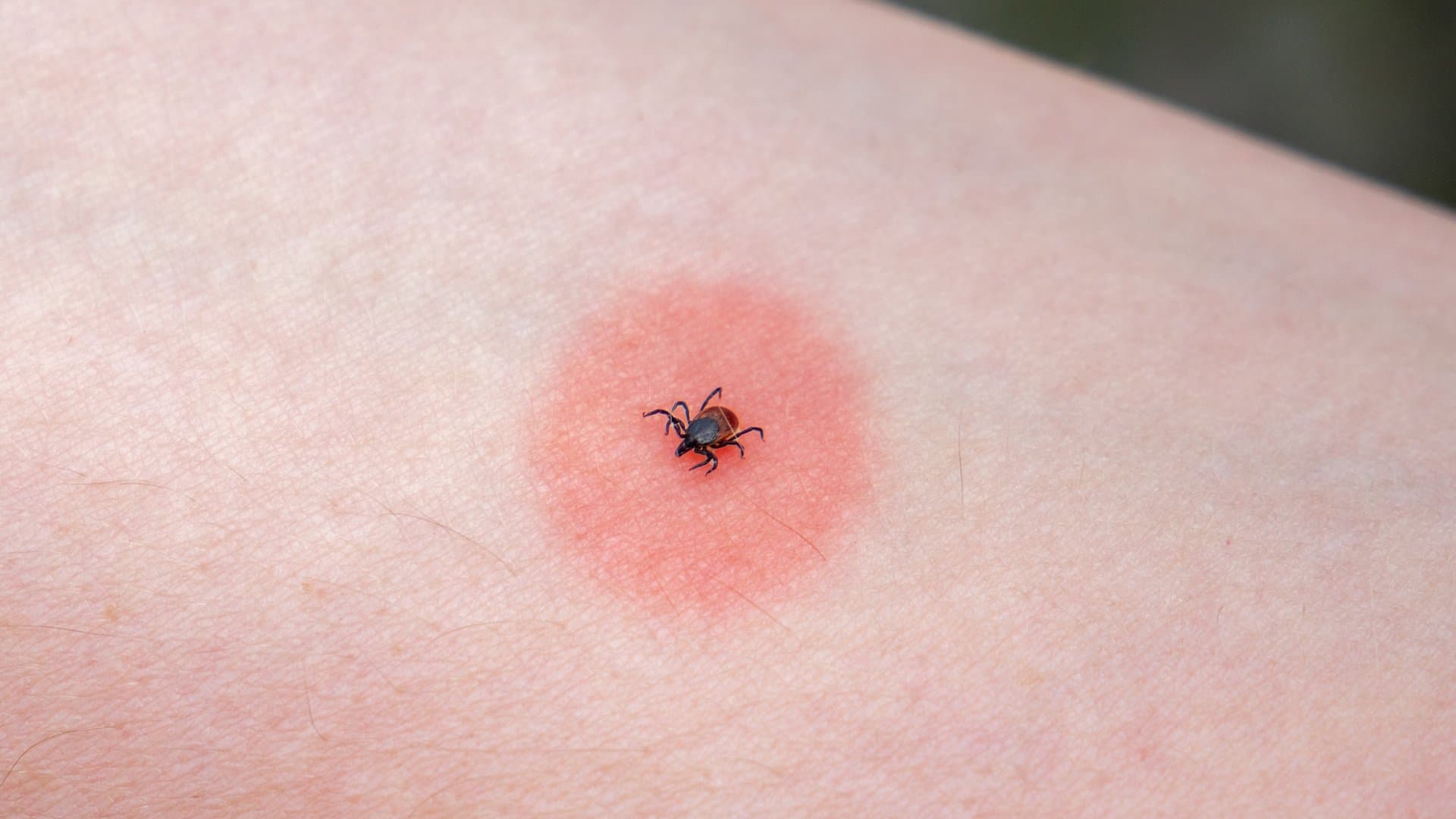
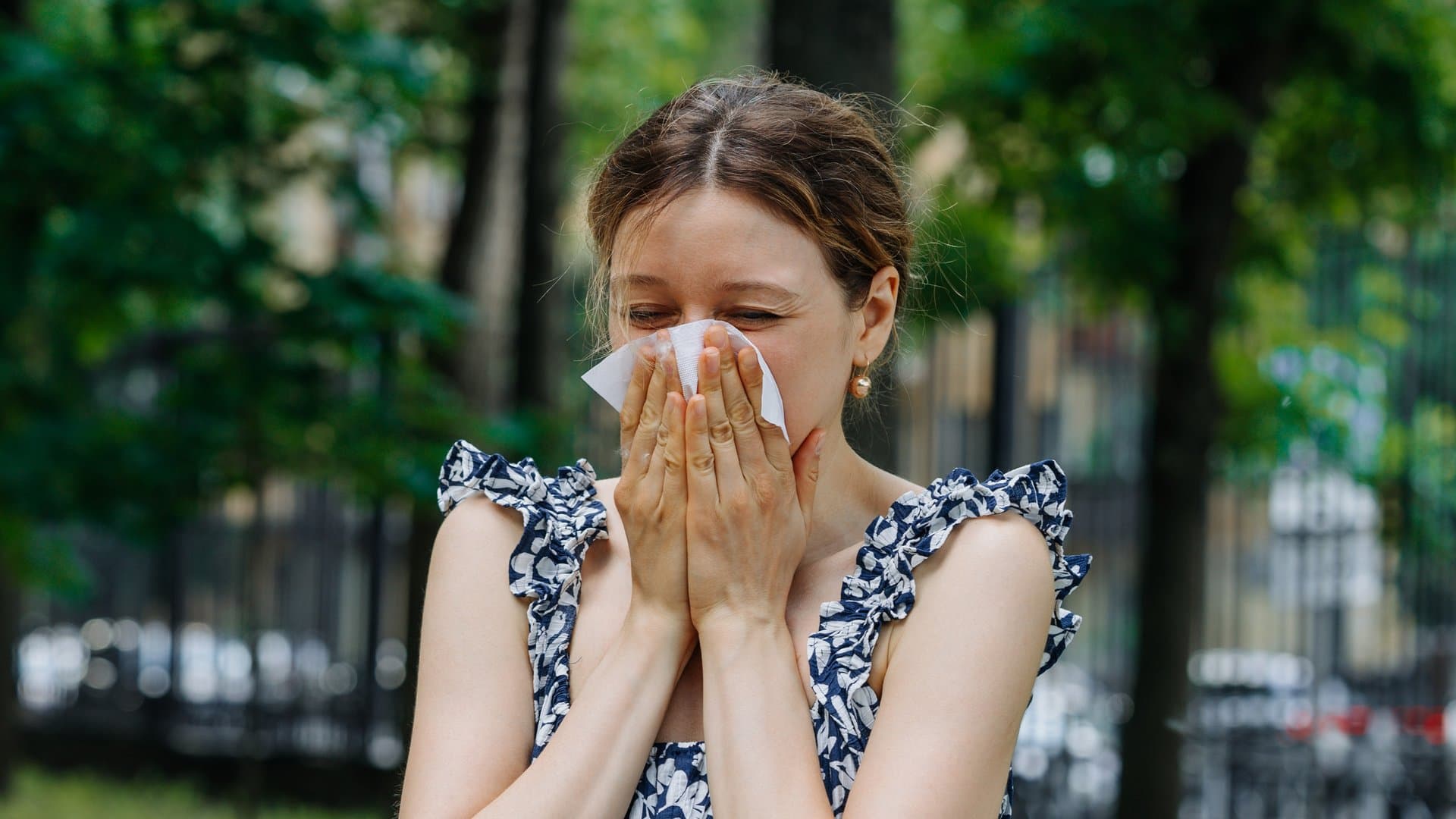
Sunshine, 86 degrees - and yet your nose is running, your throat is scratchy and your body feels exhausted. A cold in the middle of summer seems contradictory at first, but it's actually not that uncommon. The term "summer flu" doesn't describe a separate illness, but rather a normal viral infection that can also occur in high temperatures. But why is that?
How Can You Even Catch a Cold in Summer?
Colds are not caused by cold weather, but by viruses - usually so-called rhinoviruses. According to the Robert Koch Institute (RKI), these viruses circulate all year round, not just in fall and winter. You can get infected regardless of the outdoor temperature. Despite the similarity in names, the summer flu is usually not a real flu. The latter is caused by influenza viruses and often progresses with significantly stronger symptoms and fever. However, influenza pathogens are rare in summer - so a flu vaccination doesn't help against the summer flu.
In summer, other conditions come together that can sometimes even promote infections: Many people spend time in enclosed, air-conditioned spaces, travel more frequently and have more social contact. This is exactly how viruses can easily spread.
Air Conditioning, Drafts and Temperature Changes
A common suspicion: air conditioning makes you sick. In fact, they are not directly the cause of infections - but they can indirectly increase the risk. Strong temperature differences between outside (86 degrees or more) and inside (68 degrees or less) put strain on the mucous membranes. They dry out faster and are therefore more susceptible to viruses.
Drafts on airplanes, trains or in the office can also irritate the mucous membranes. This makes it easier for pathogens to establish themselves in the body.
Summer Parties, Travel and Crowds
In summer, you're often on the go: festivals, vacations, barbecues, crowded beaches or packed trains. According to the RKI, the risk of respiratory infections increases whenever many people come together in confined spaces - regardless of the season.
Extreme heat generally means pressure for the body. If it simultaneously tries to regulate temperature, the immune system can work less efficiently in the short term. Dehydration is often added to this: Anyone who drinks too little in the heat dries out mucous membranes faster - and these are an important protective barrier against viruses. On top of that: When traveling, sleep is often worse, the body is stressed, and the immune system can be temporarily weakened.
How to Prevent Summer Flu
Common preventive tips against summer flu include regular hand washing, healthy eating and sufficient exercise for an active immune system. Especially in summer, the following also applies: Don't set the air conditioning too cold - the temperature difference from outside should only be seven to eleven degrees - and avoid direct drafts from fans, for example.
Anyone who drinks plenty of fluids when temperatures rise protects the body and also prevents the mucous membranes from drying out. And to avoid hypothermia even in summer weather, you should dry off promptly after swimming and change out of wet swimwear - and in the evening when temperatures drop and the wind picks up, it's better to put on an extra layer.