The series universe of "The Big Bang Theory" has become quite expansive by now. In addition to the original series, which aired in the US from 2007 to 2019, it also includes "Young Sheldon" and its spin-off "Georgie & Mandy". The focus of these two series, which like "The Big Bang Theory" aired on CBS in the US, is clear: They tell a backstory to the most popular character (alongside Penny), Sheldon Cooper.
"Stuart Fails to Save the Universe", the fourth series from the "Big Bang Theory" cosmos, now takes a completely different path: For the first time, the story takes place chronologically after the events of the original series - and four supporting characters are at the center of the plot, primarily comic book store owner Stuart Bloom (Kevin Sussman, 55). At first glance, he doesn't exactly seem cut out to be the shining hero of his own story. Does "Stuart Fails to Save the Universe" work nevertheless?
What the "The Big Bang Theory" spin-off is about
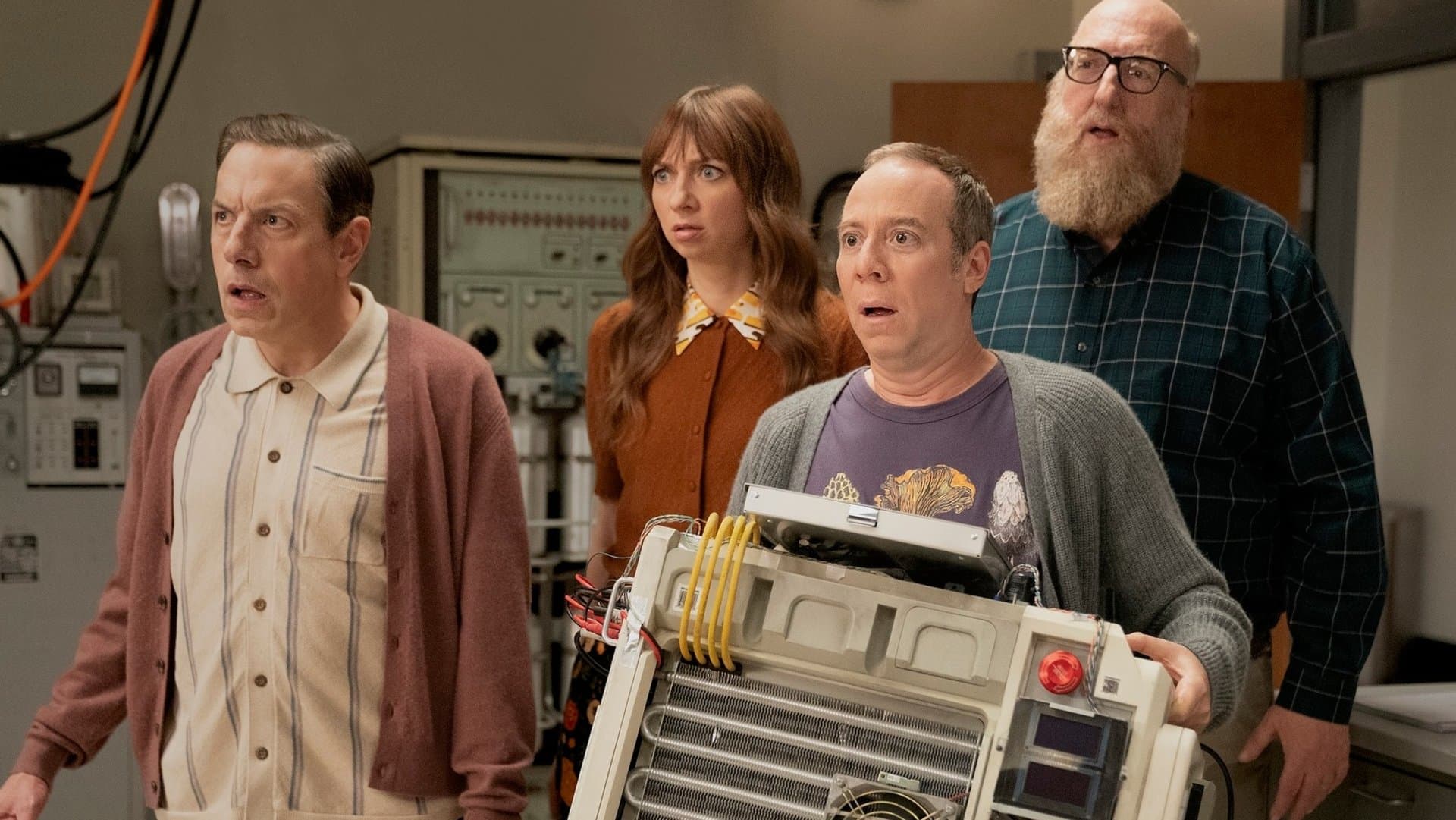
Comic store owner Stuart, his ex-girlfriend Denise (Lauren Lapkus, 40), physicist and annoyance Barry Kripke (John Ross Bowie, 55), and Stuart's geologist friend Bert (Brian Posehn, 59) must accomplish nothing less than restoring all of reality after a device developed by Sheldon and Leonard destroyed it and inadvertently triggered a multiverse Armageddon.
In the first episode of the series, which is being released on HBO Max in Germany and the US, viewers experience how the area around the comic book store in Pasadena resembles a post-apocalyptic wasteland, similar to what you might see in films like "Mad Max" or the series "Fallout". Giant, mutated animals hunt the few survivors, as do dangerous, marauding human gangs. Money no longer exists as currency. At the beginning of the spin-off series, Bert wants to acquire a rare "Batman" comic in exchange for a few cans instead.
Why "Stuart Fails to Save the Universe" is worth watching
But this world from episode one is just the opening to ten episodes of wild multiverse stories that are somewhat reminiscent of series like "Rick and Morty". Because each episode offers a completely new setting with its own rules.
Furthermore, many things are different here than in previous "The Big Bang Theory" series. The level of violence is a bit higher, and cursing is also allowed - important in strictly regulated US television - since the show is housed on HBO Max.
There is no studio audience constantly laughing, as with "The Big Bang Theory". It's also not shot on a studio stage with multiple cameras simultaneously, which means the new series immediately offers much larger, cinematic images.
But what remains special are the quirky, lovable, nerdy main characters who are clearly not initially equipped to handle an apocalypse, strange unknown worlds, and multiverse adventures. Whether "Stuart Fails to Save the Universe" becomes a big success and can excite fans of "The Big Bang Theory" remains to be seen. The production from series mastermind Chuck Lorre (73) undoubtedly represents an innovative spin-off idea.