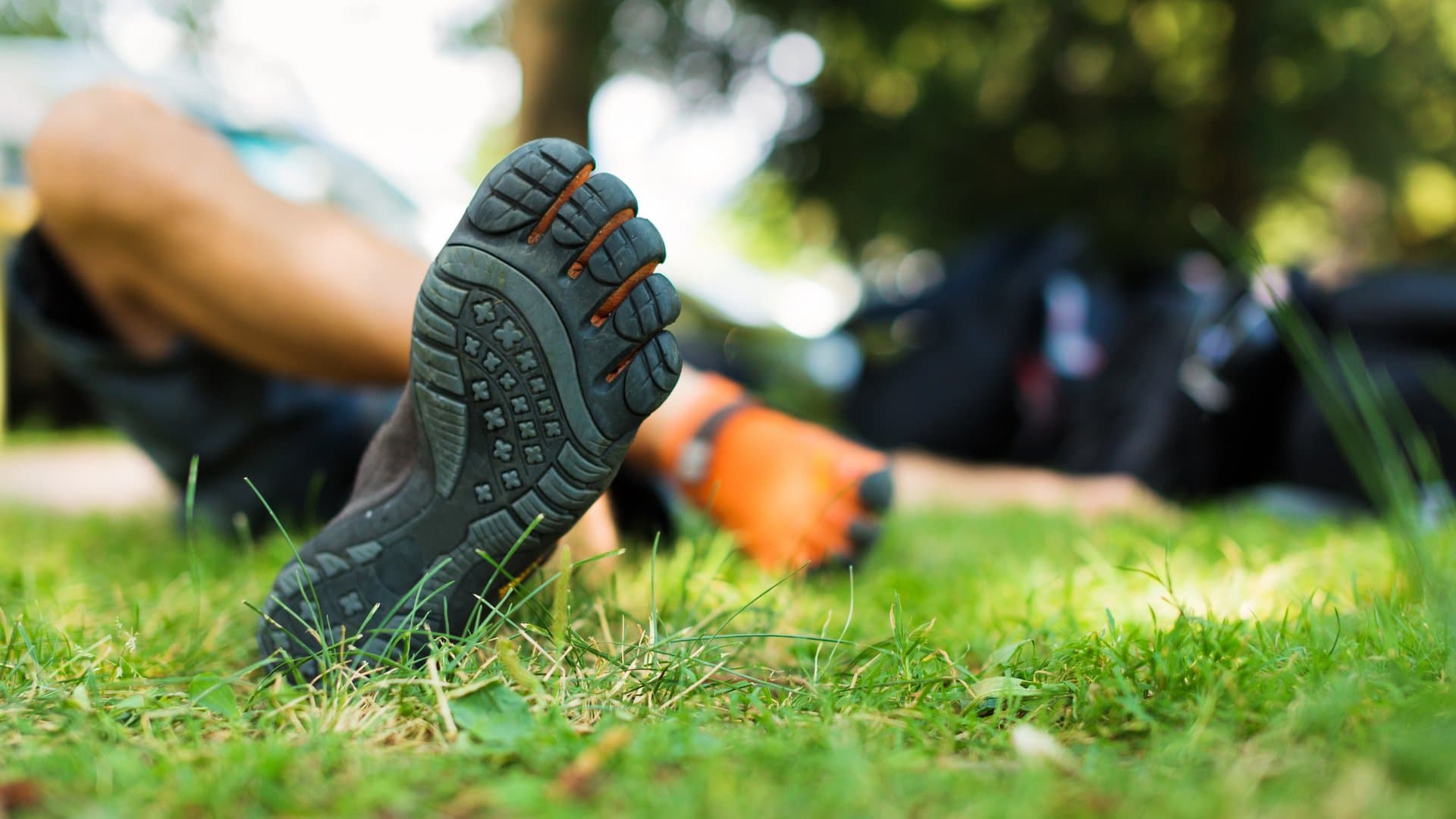
They're everywhere: shoes with particularly thin soles, wide toe boxes, and sometimes even individual toe compartments. Especially in summer, barefoot shoes are experiencing a real boom - thanks in part to eye-catching models like Vibram's toe shoes, which are no longer popular only among outdoor enthusiasts. But are these minimalist shoes actually good for your feet or primarily a fashion trend?
Why Barefoot Shoes Are So Popular Right Now
For a long time, barefoot shoes were considered more of a niche product for runners, hikers, or people looking to improve their foot health. Now they've also arrived in fashion. Particularly models with striking designs, toe compartments, or minimalist aesthetics are increasingly being worn as part of a casual summer look.
The trend also fits with a greater awareness of natural movement, comfort, and health. Many people want to give their feet more freedom instead of squeezing them daily into tight shoes with heavy cushioning and narrow toe boxes.
What Makes Barefoot Shoes Different?
Barefoot shoes differ from traditional shoes primarily through three characteristics: first, the thin, flexible sole, which allows the foot to feel the ground more and move more naturally. Additionally, the toes have more space through a wide toe box and can spread out better when stepping. The height difference between heel and forefoot is minimal, so the natural foot posture is supported.
Our feet consist of numerous small muscles and joints that may be less engaged in conventional shoes. Barefoot shoes are designed to incorporate this natural function more actively.
Can Barefoot Shoes Improve Foot Health?
Studies show that minimalist shoes in healthy adults may be associated with changes in foot musculature and a possible increase in foot strength.
People who sit a lot or frequently wear tight shoes also often find the additional space in the toe area comfortable. Especially with complaints from pressure points or constricted toes, wide shoes can provide relief.
However, barefoot shoes are not a miracle cure. They don't automatically correct misalignments and aren't suitable for every foot. With existing complaints or conditions, you should consult with professionals individually to determine which shoes make sense.
The Most Important Point: Transition Slowly
Anyone who has walked in heavily cushioned shoes for years shouldn't switch completely to barefoot shoes immediately. The foot muscles, tendons, and calves must first get used to the new stress.
Short walks or individual training sessions are suitable for starting out. Only once the feet have gotten used to it can usage be slowly expanded. Switching too quickly can lead to muscle soreness, overuse, or pain, among other things.
Especially Practical in Summer
Particularly in summer, many people benefit from the characteristics of minimalist shoes. With lightweight materials, airy constructions, and plenty of freedom of movement, they can be comfortable in warm weather. Many models are suitable for walks, travel, or light outdoor activities.
Visually, they also fit the current trend toward functional leisure wear: shoes should be comfortable but at the same time suit everyday life and personal style. In addition to the classic athletic models, there are now much more fashionable variants - such as toe shoes in ballerina style or models in colors like pink that can be easily integrated into everyday summer outfits.