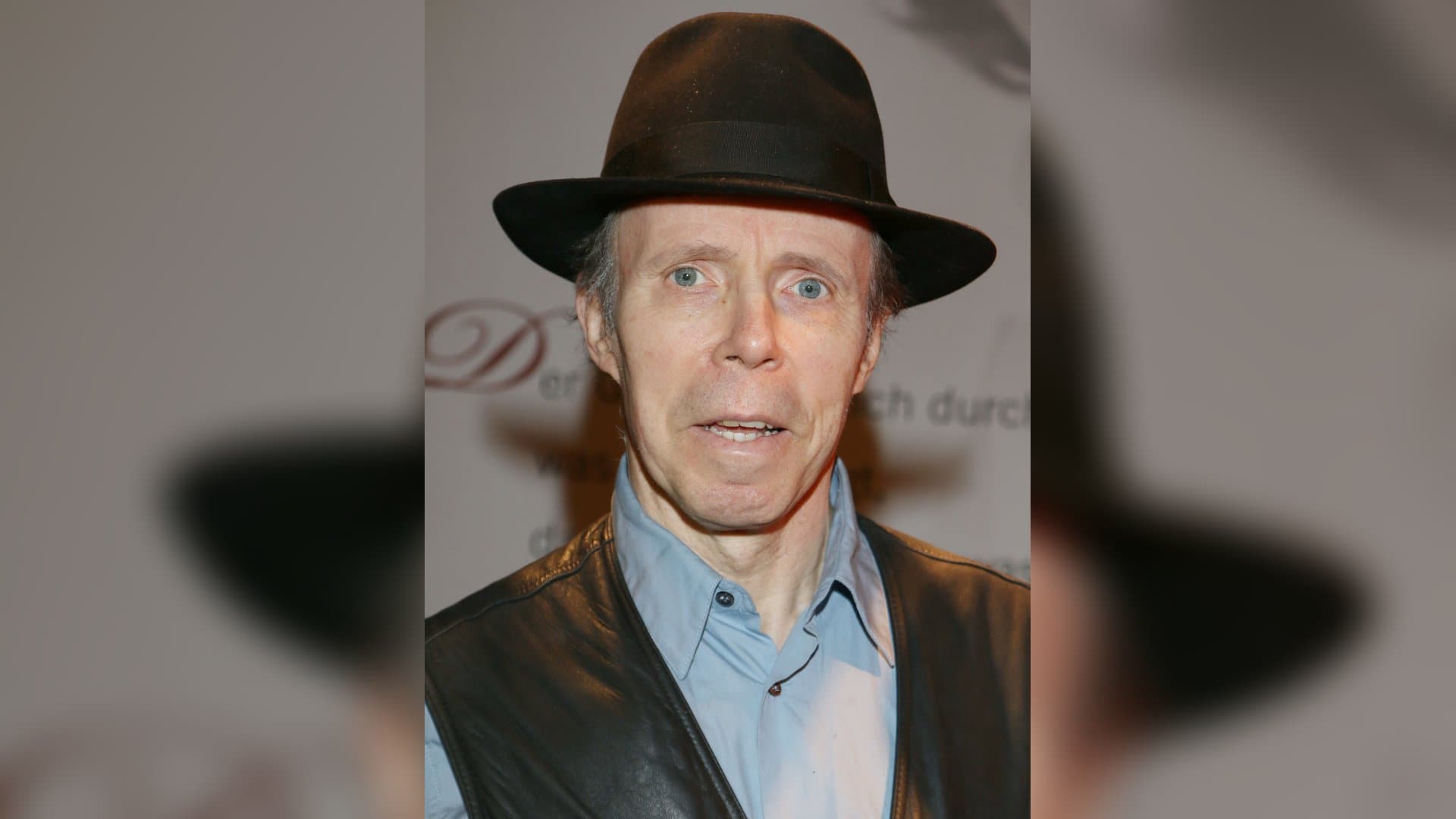
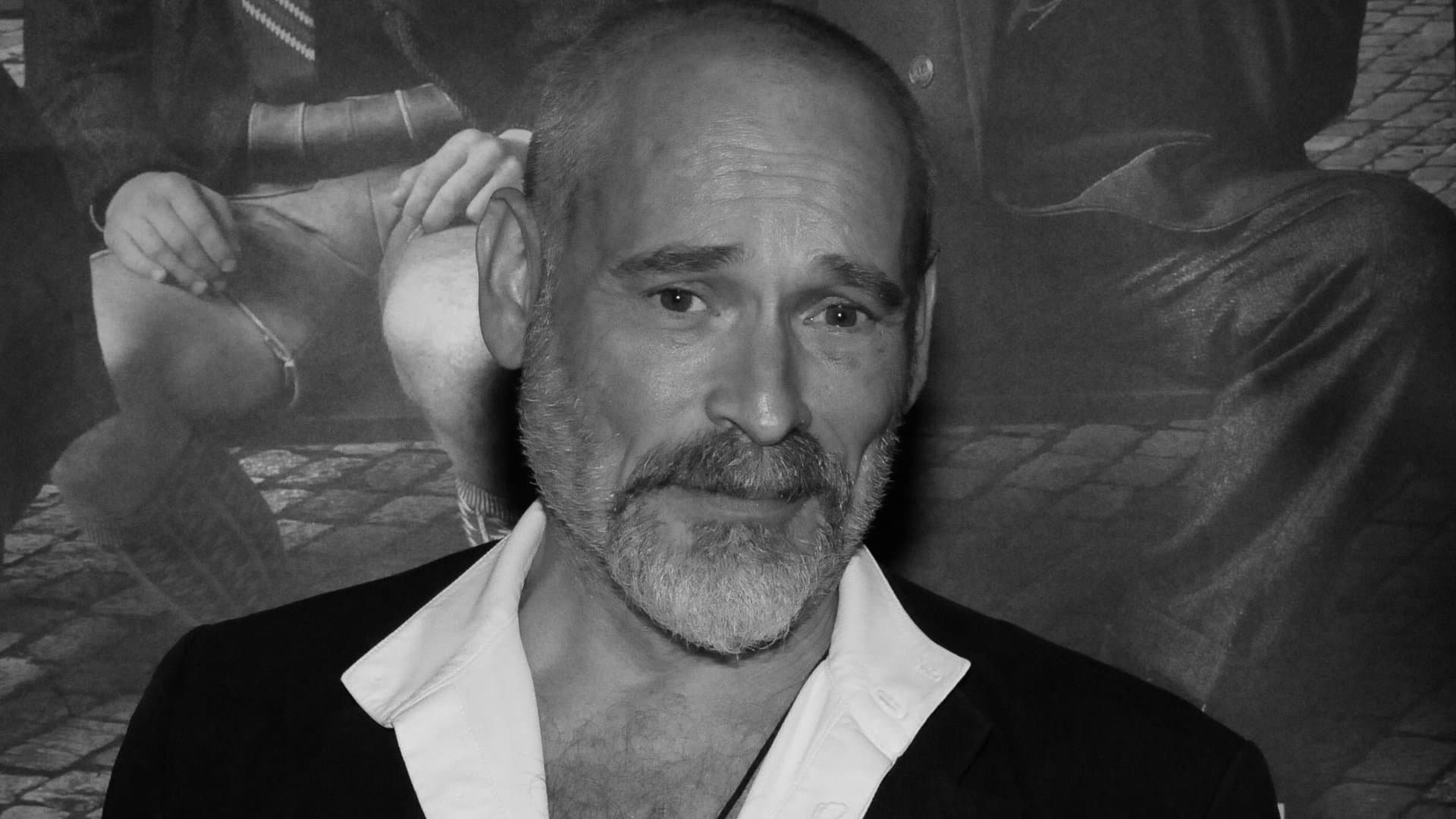
The Austrian theater scene is losing a distinctive figure: Johannes Krisch (1966-2026) passed away Monday morning at a Vienna hospital at the age of 59. This was announced by the Theater in der Josefstadt according to consistent media reports. No information about the cause of death was initially provided.
For years, Krisch was part of the ensemble of one of Austria's most important theaters, as well as that of the Burgtheater. But he also performed in film and television: Among other roles, he appeared in Götz Spielmann's Oscar-nominated drama "Revanche" (2008), in "Finsterwold" (2013) with Sandra Hüller (48), in "Aus dem Nichts" (2017) alongside Hollywood star Diane Kruger (50), in the epic "Märzengrund" (2022), and in the literary adaptation "Wald" (2023). For his portrayal of serial killer Jack Unterweger in "Jack", he received the Austrian Film Award for Best Actor in 2016.
Additionally, Krisch appeared in the hit series "Braunschlag" (2012) and was featured four times in "Tatort", most recently in 2018. He also took on roles in "Kommissar Rex" and various "SOKO" series. Before his career, Krisch, who was born on December 8, 1966 in Vienna, completed training as a carpenter. He stumbled into acting somewhat by chance through working on stage set construction.
Health Setbacks
Recently, Johannes Krisch had been dealing with massive health problems. In 2012, he fell nearly two meters during a premiere in Berlin, sustaining a spinal injury and a torn diaphragm. In 2023, he had to give up both his lead role in the premiere of Peter Turrini's "Es muss geschieden sein" and his directorship at the Raimundspiele Gutenstein. "I had to face my health problems, because my body is my instrument. Without it, it doesn't work," he explained in 2024 in an interview with "Die Presse".
Krisch leaves behind five children from two marriages; most recently, he was married to actress Larissa Fuchs.
Herbert Föttinger, longtime director of the Theater in der Josefstadt, honored his colleague as "one of the most significant actors of his generation" in Austria. Krisch possessed "the rare gift," he said, "of not playing characters, but experiencing them in the moment - and allowing the audience to share in that experience. His roles were never mere performances, but lived life."