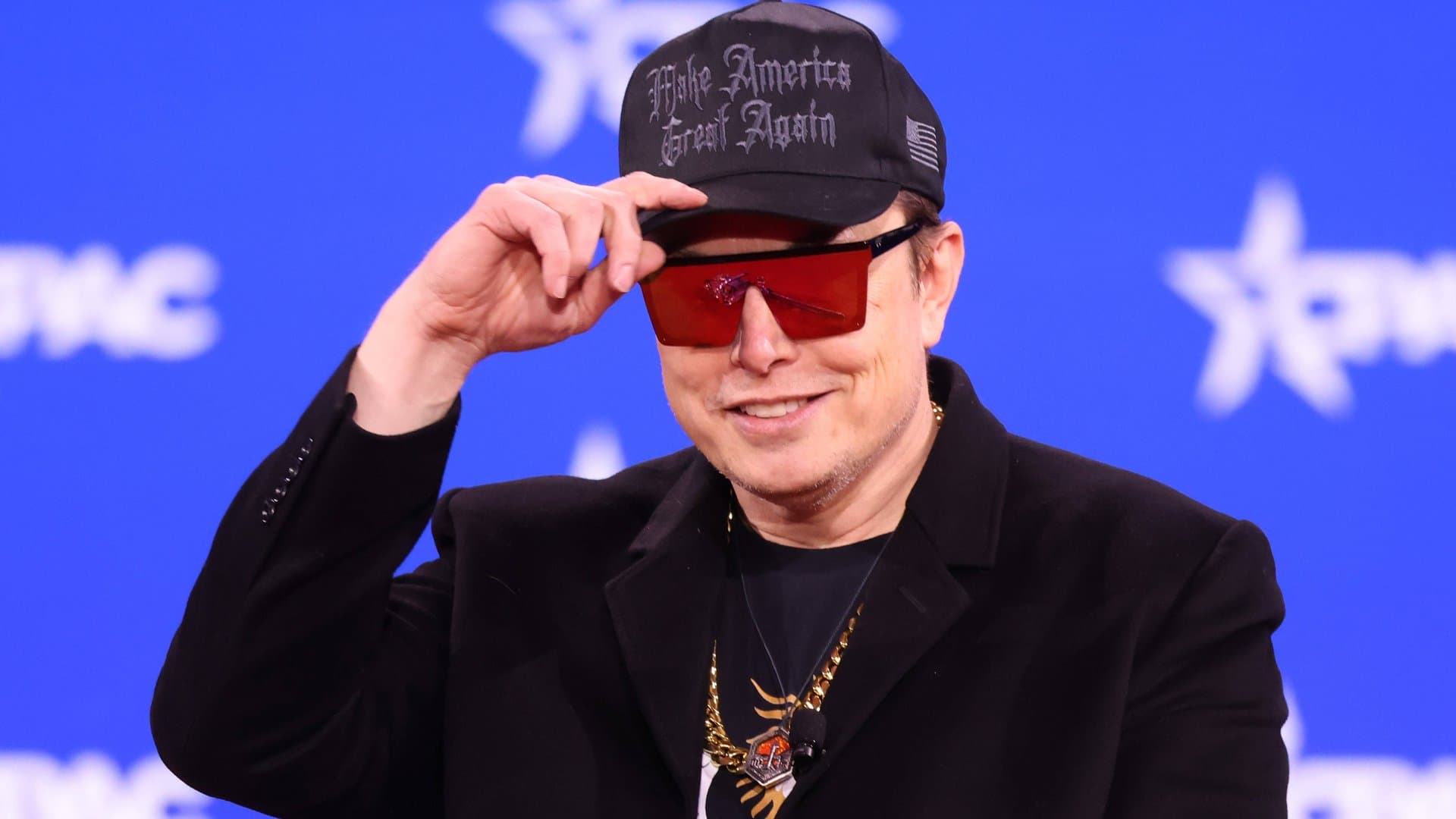
Elon Musk (54) is the first trillionaire in the world - at least on paper. The jump over the mark of one trillion dollars, or 1,000 billion dollars, was made possible by the initial public offering of his space company SpaceX. The decisive factor was the set issue price of 135 dollars per share. Before the IPO, the US magazine "Forbes" had estimated Musk's wealth at around 813 billion dollars - more than twice as much as that of the second richest person: Google co-founder Larry Page (53) with an estimated 288 billion dollars.
Trading starts on Friday
Under the ticker symbol "SPCX", the stock will start trading on Friday once the Nasdaq Composite opens at 9:30 a.m. local time. If the price climbs above 135 dollars, Musk's wealth will grow further. If it drops below, the entrepreneur could fall below the trillion threshold again.
According to the offering prospectus, Musk holds 4.8 billion SpaceX shares, representing approximately 42 percent of the company. In addition, there are 350 million options that he can exercise at 8.39 dollars each. At 135 dollars per share, his stake is worth 648 billion dollars, and the options bring an additional 44.3 billion dollars. Since "Forbes" had previously valued his stake at 500 billion dollars before the IPO, its value now increases by an additional 192.3 billion dollars - bringing the total to 1.005 trillion dollars.
Oxfam speaks of "oligarchy"
The dimension is hard to grasp: According to the World Bank, only 19 countries generate a gross domestic product of more than one trillion dollars, including the USA. The aid organization Oxfam sees Musk's ascent as a "new gilded age" of inequality. Nabil Ahmed, responsible for economic justice at Oxfam America, stated according to CBS News: "Elon Musk's rise to trillionaire marks a new peak of oligarchy." This makes Musk richer than the poorer half of the world - more precisely the bottom 46 percent or 3.8 billion people.
However, he is not the only one enjoying the financial windfall: Around 4,400 SpaceX employees could become millionaires according to the "New York Times" when trading starts.