
The electricity bill often arrives with a delay - and then looking at the consumption comes as a surprise. While large electrical appliances like washing machines or dryers are known as obvious energy consumers, many smaller devices remain unnoticed on the grid in everyday life. Especially in summer, additional consumers like fans, air conditioners or cooling devices can increase costs.
Those who want to reduce their electricity consumption don't have to give up comfort right away. Often small changes are enough to avoid unnecessary energy losses.
Keep an Eye on Air Conditioners and Fans
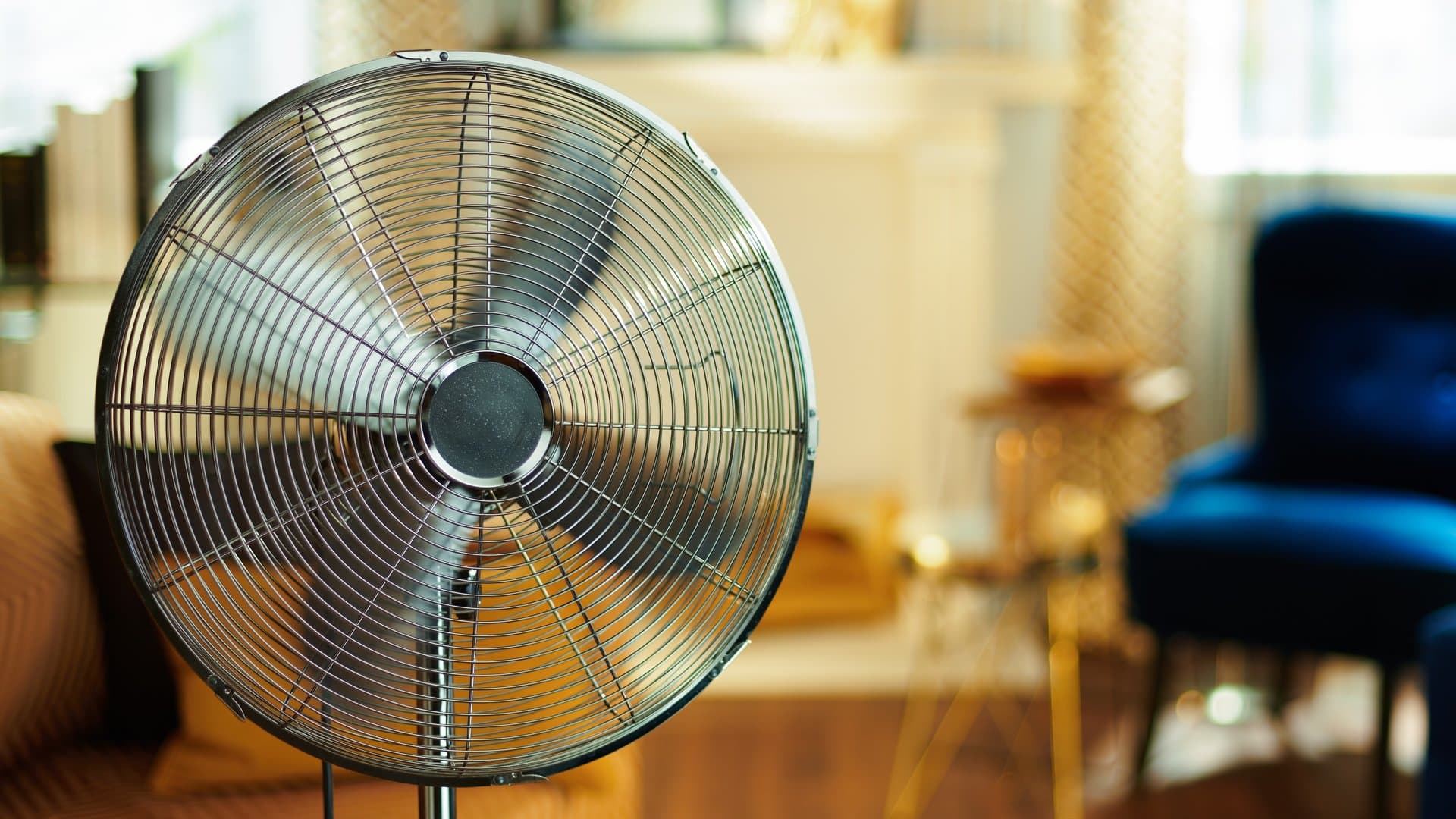
When temperatures are high, many people turn to fans or portable air conditioners. While a fan consumes comparatively little electricity, air conditioners can require significantly more energy - especially when they run for many hours a day.
Those who have an air conditioning unit should pay attention to using it as efficiently as possible: darken rooms during the day, cool only selectively and keep windows closed as long as the unit is running. A fan doesn't lower the room temperature, but can still provide a more pleasant feeling through air movement.
Old Refrigerators Can Become Expensive
The refrigerator runs around the clock - and therefore belongs to the devices where high consumption can be particularly noticeable. Especially older models can require significantly more electricity than modern, energy-efficient appliances.
Even small mistakes can increase consumption - such as leaving the refrigerator door open too long, a temperature set too low, a dusty back panel or a location too close to heat sources like the stove or direct sunlight.
A temperature of about seven degrees Celsius in the refrigerator is usually sufficient. In the freezer compartment, about minus 18 degrees Celsius is recommended.
Standby Mode: Small Consumptions Add Up
Televisions, game consoles, computers or speakers continue to consume electricity even in standby mode. With individual devices, the consumption often hardly shows - but over many devices and throughout the year, the costs can add up.
A simple solution is power strips with switches. This allows multiple devices to be completely disconnected from the power grid at the same time when they are not needed.
Use Dryers and Washing Machines Properly
The clothes dryer is among the devices with comparatively high electricity consumption. Those who have the opportunity in summer to dry clothes outside or in a well-ventilated room can save energy.
A conscious approach also pays off with the washing machine: use drums as full as possible, wash more frequently at lower temperatures and use energy-saving programs. Modern detergents often clean clothes reliably even at 30 degrees Celsius.
Check the Freezer Regularly
Freezers also operate continuously. A thick layer of ice inside can cause the appliance to require more energy to maintain the temperature. Those who defrost a freezer regularly, check the seals and don't let it run unnecessarily empty can reduce consumption.
Don't Forget Chargers and Small Devices
Even though individual chargers consume only little electricity: if many of them are permanently plugged in, they can add up. These include, for example, chargers for smartphones, tablets, laptops or electric toothbrushes.
After charging, power adapters don't necessarily have to be unplugged from the socket every time, but those who want to save energy can disconnect them from the power when not in use for extended periods.